 NEW SILK ROAD
 Intergovernmental Organisation
Structure of BRICS and BRICS+
BRICS is an intergovernmental organisation of the world's major emerging economies. The acronym was coined by Goldman Sachs analyst Jim O'Neill in 2001. The group was formally established as BRIC in 2009 and renamed BRICS after South Africa joined in 2011. Since 2024 the alliance expanded to 10 full members, while the BRICS+ format encompasses partner countries.
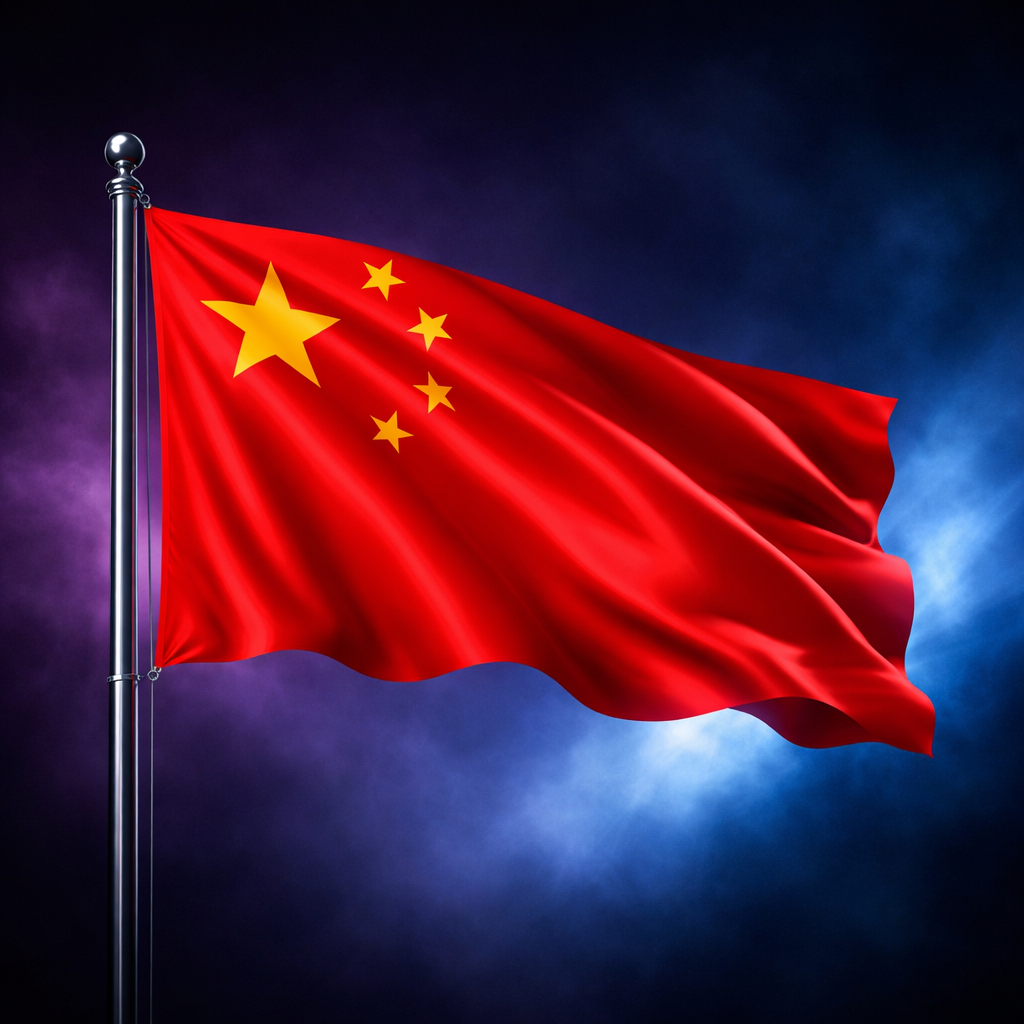
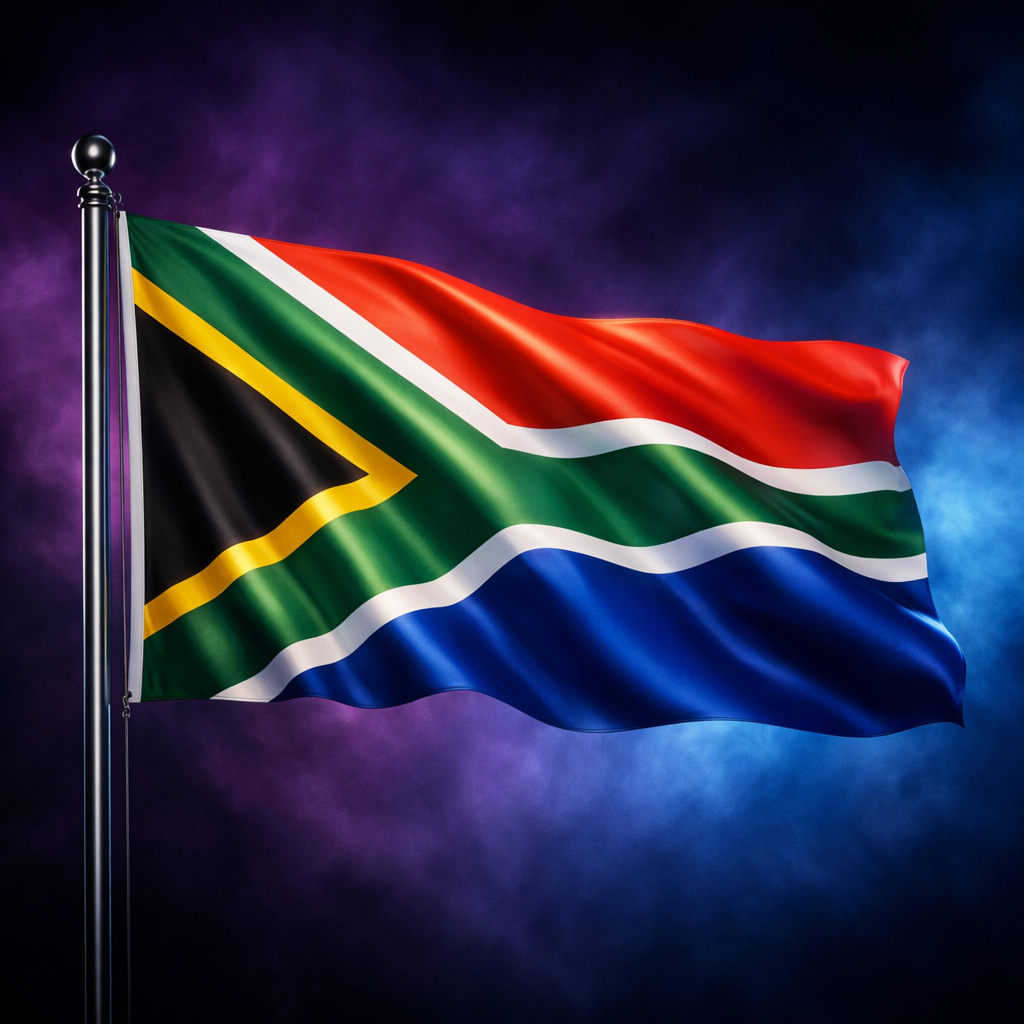
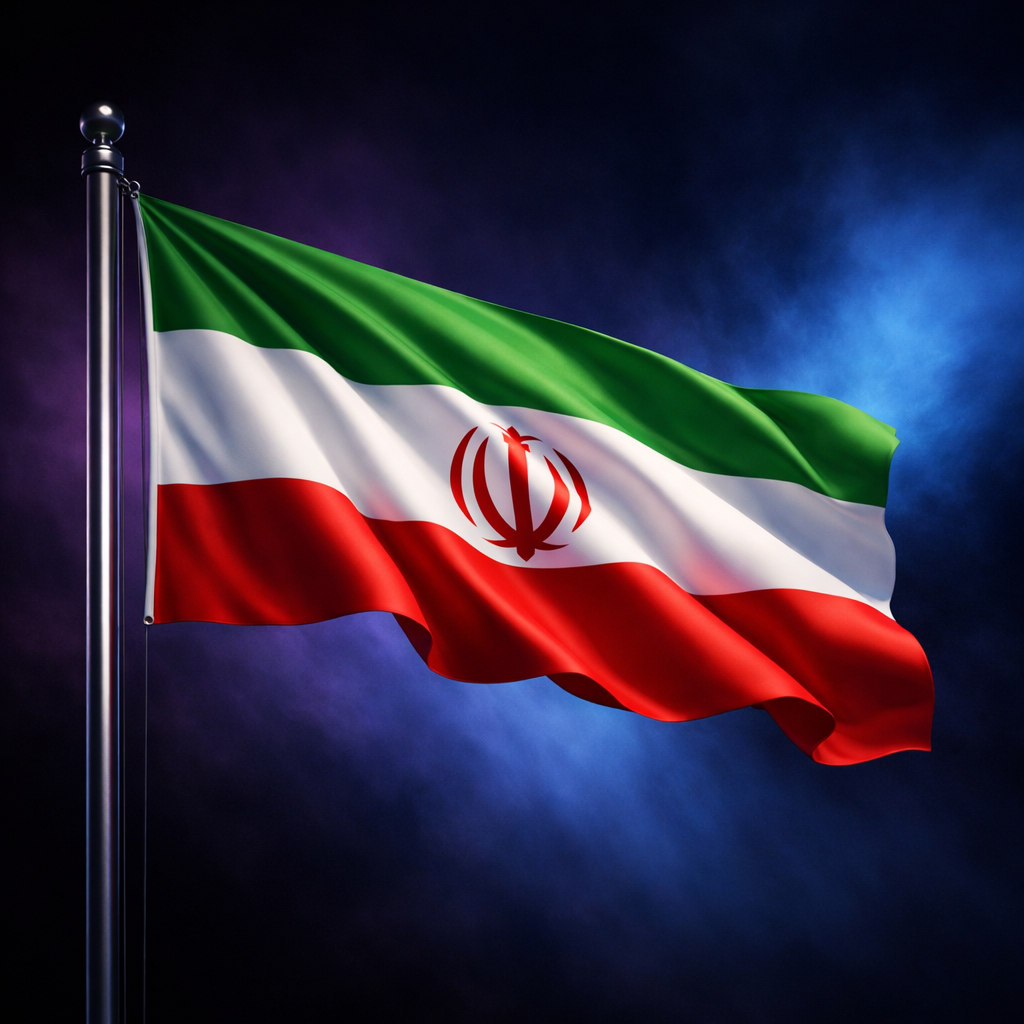
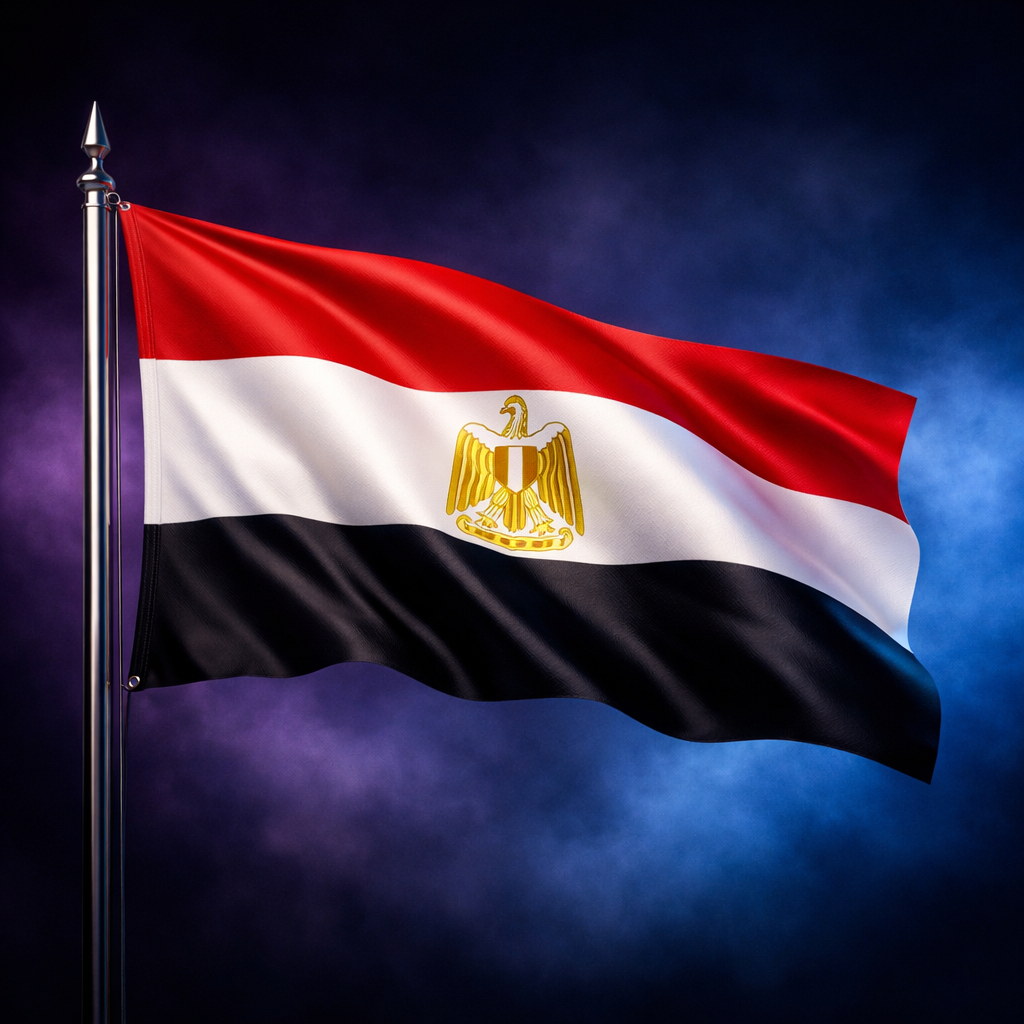
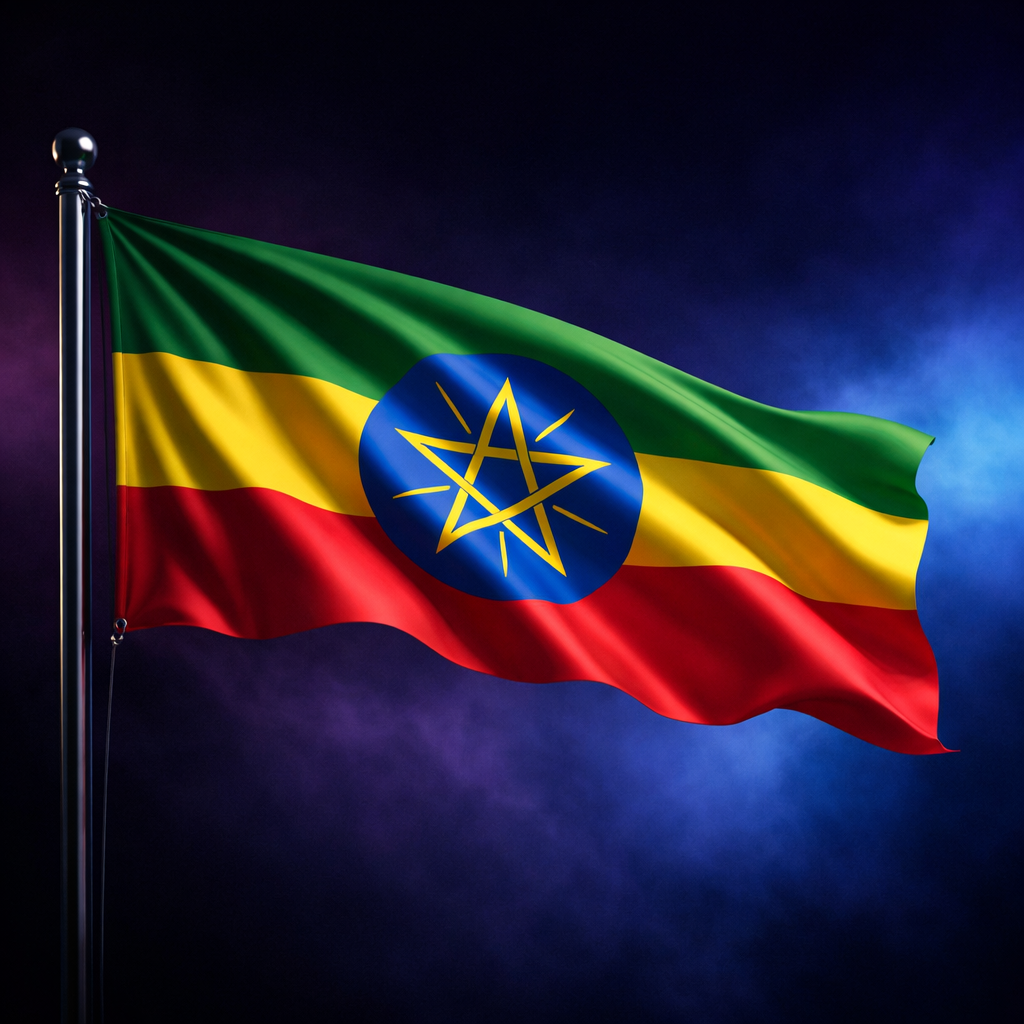
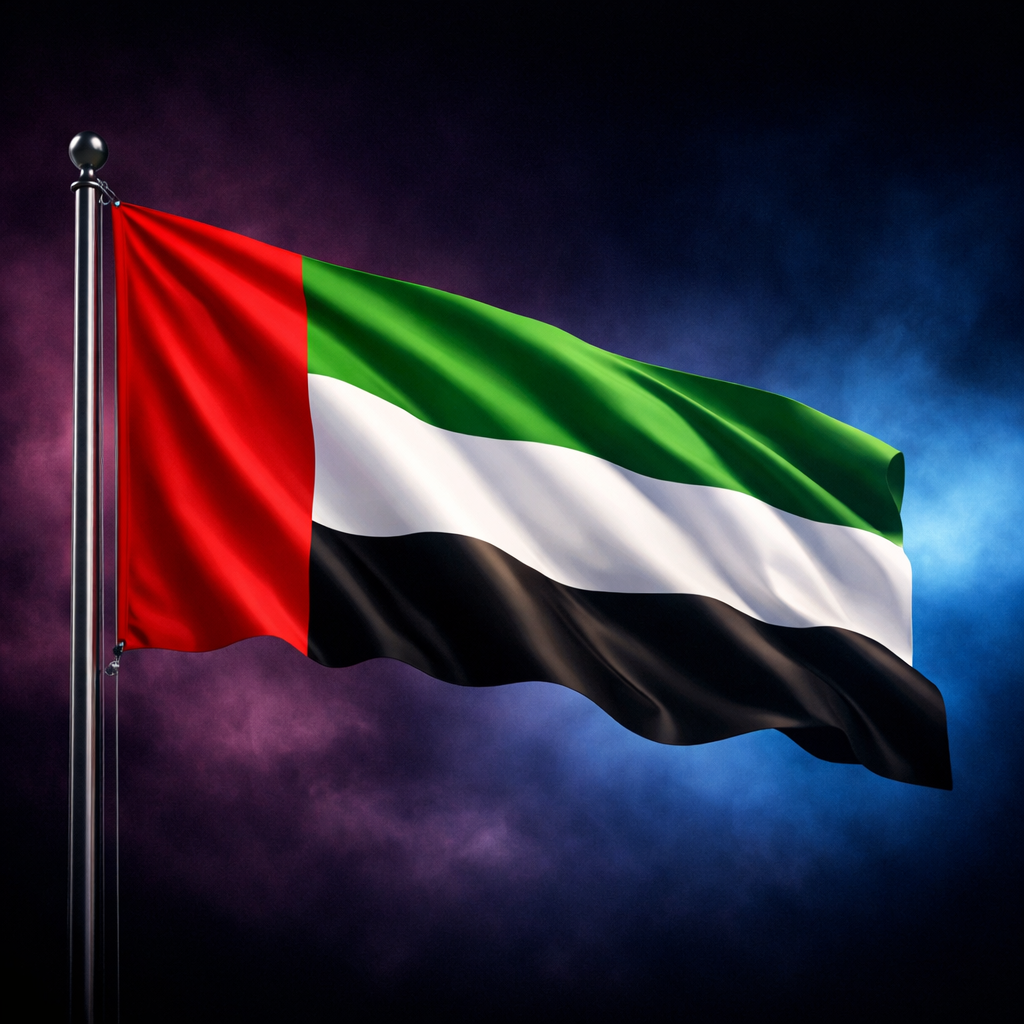
BRICS Member States
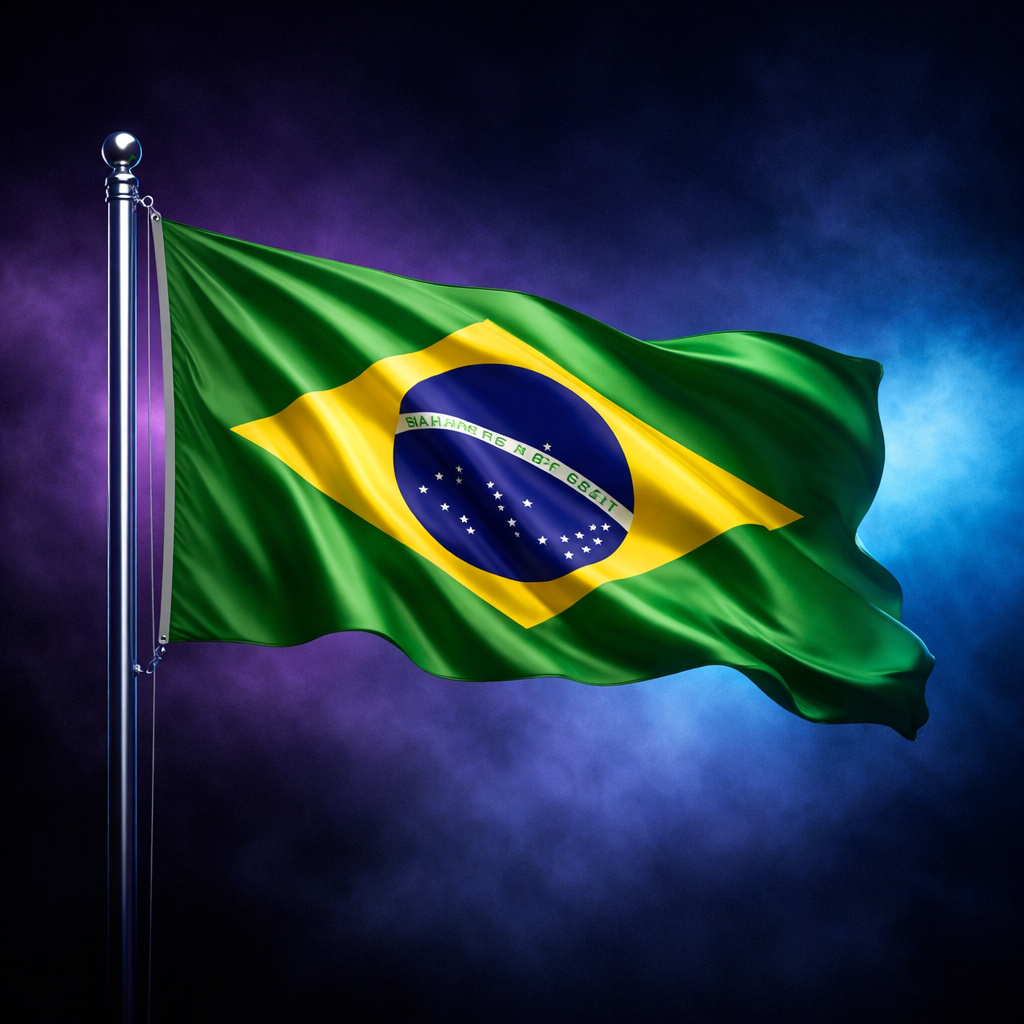
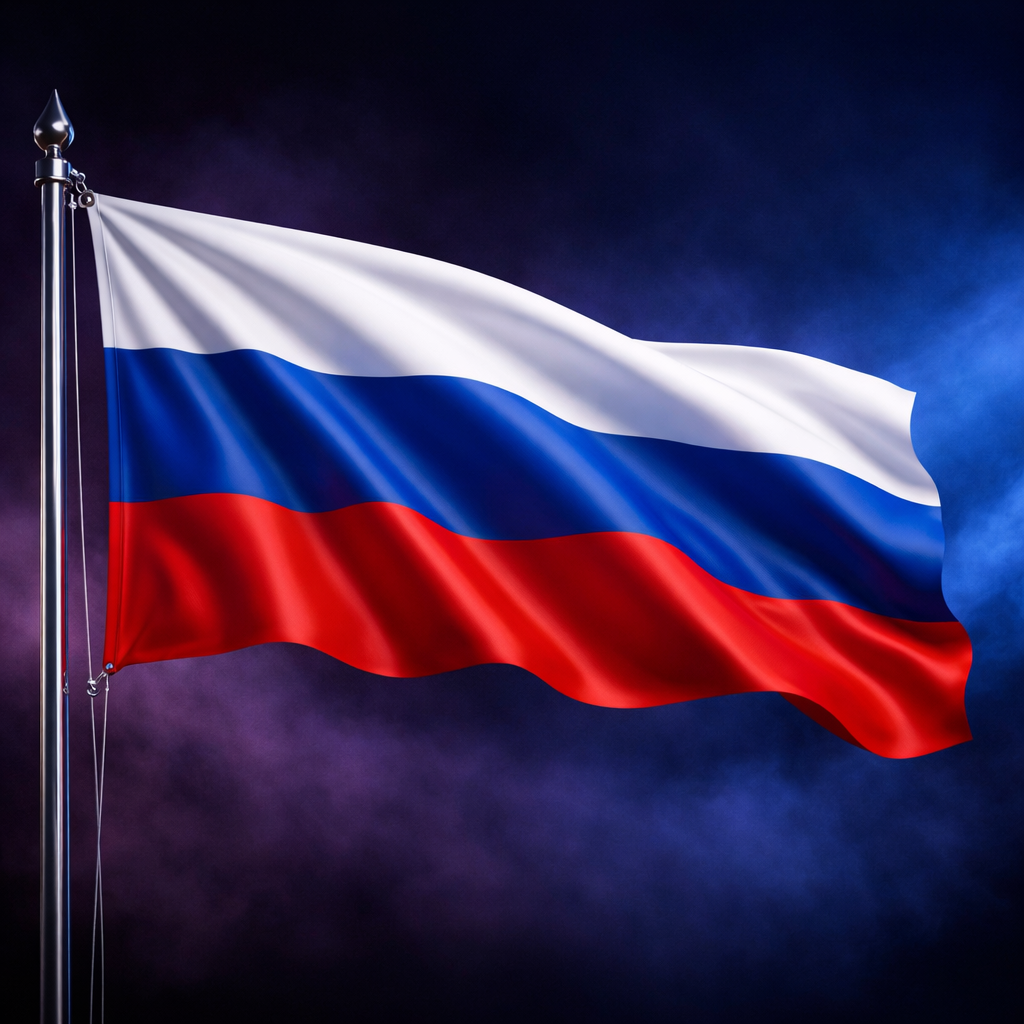
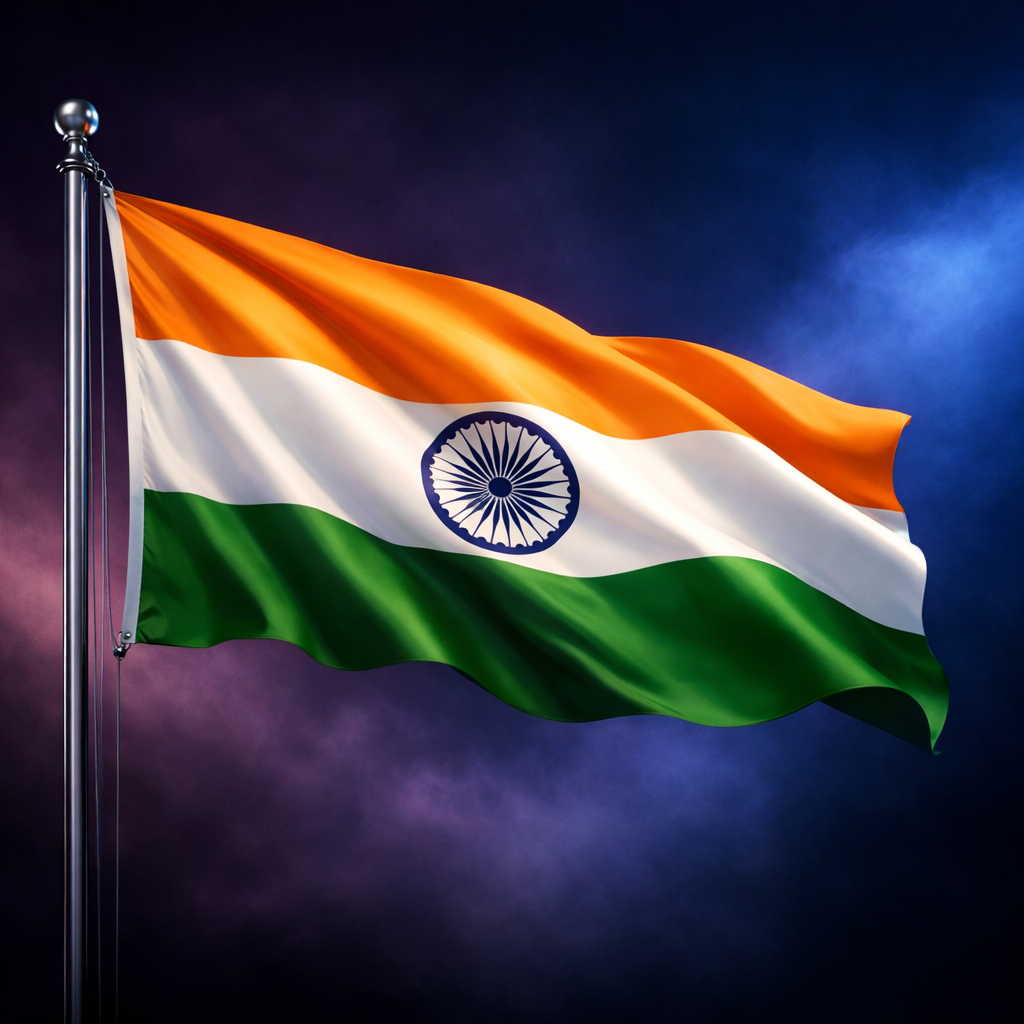
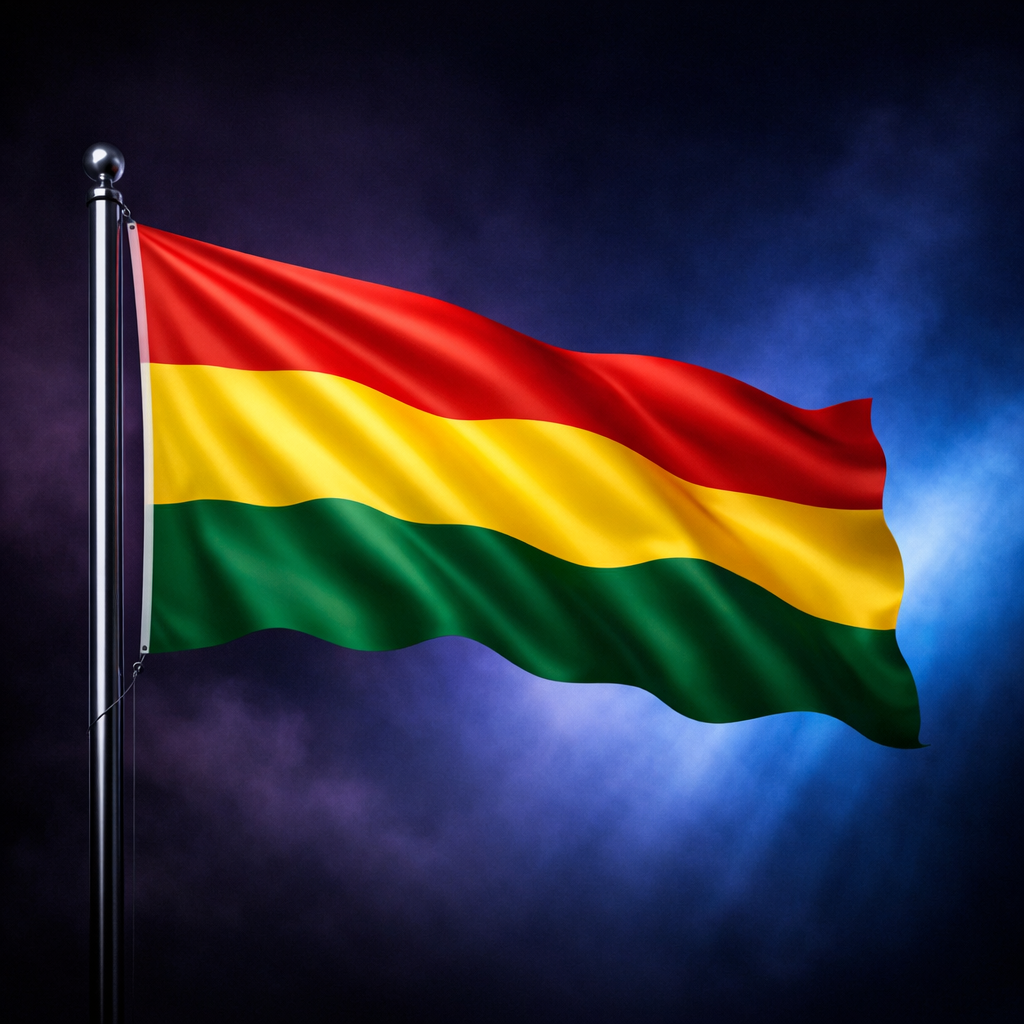
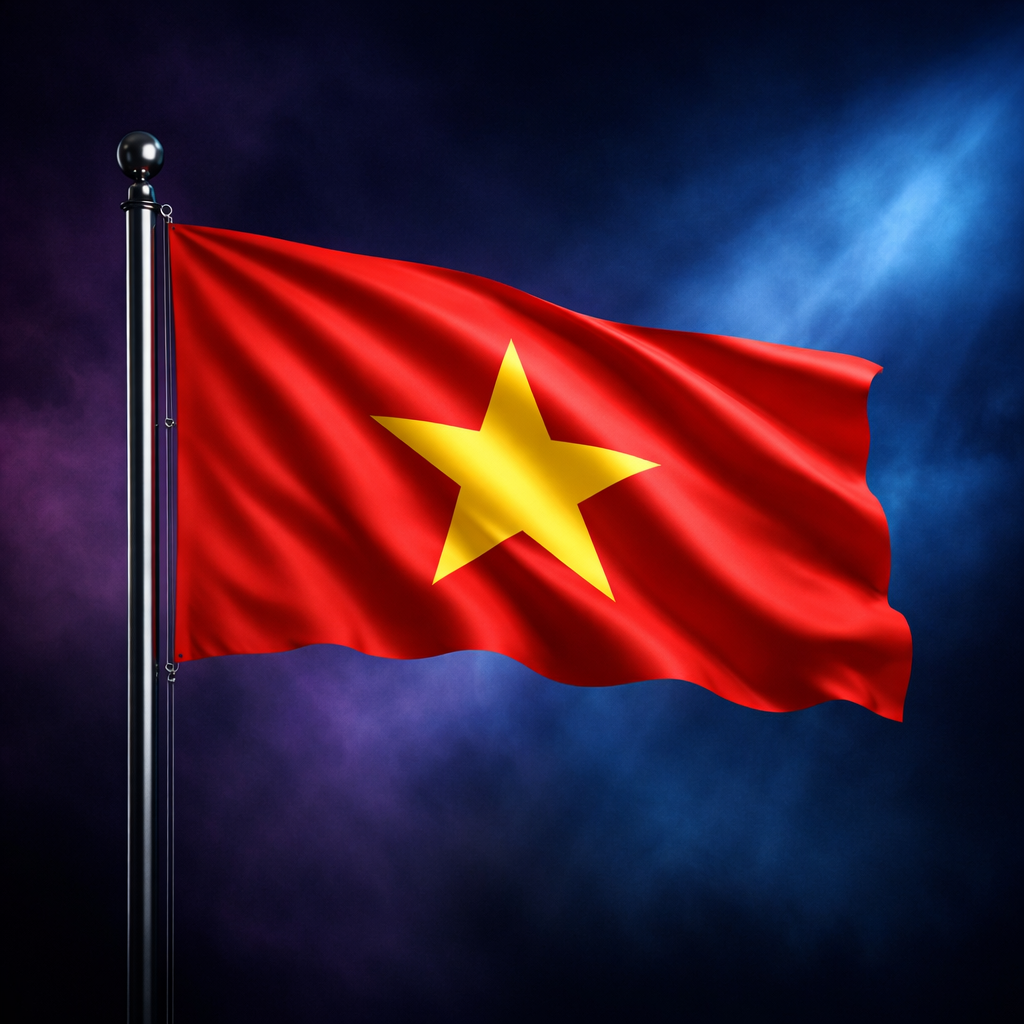
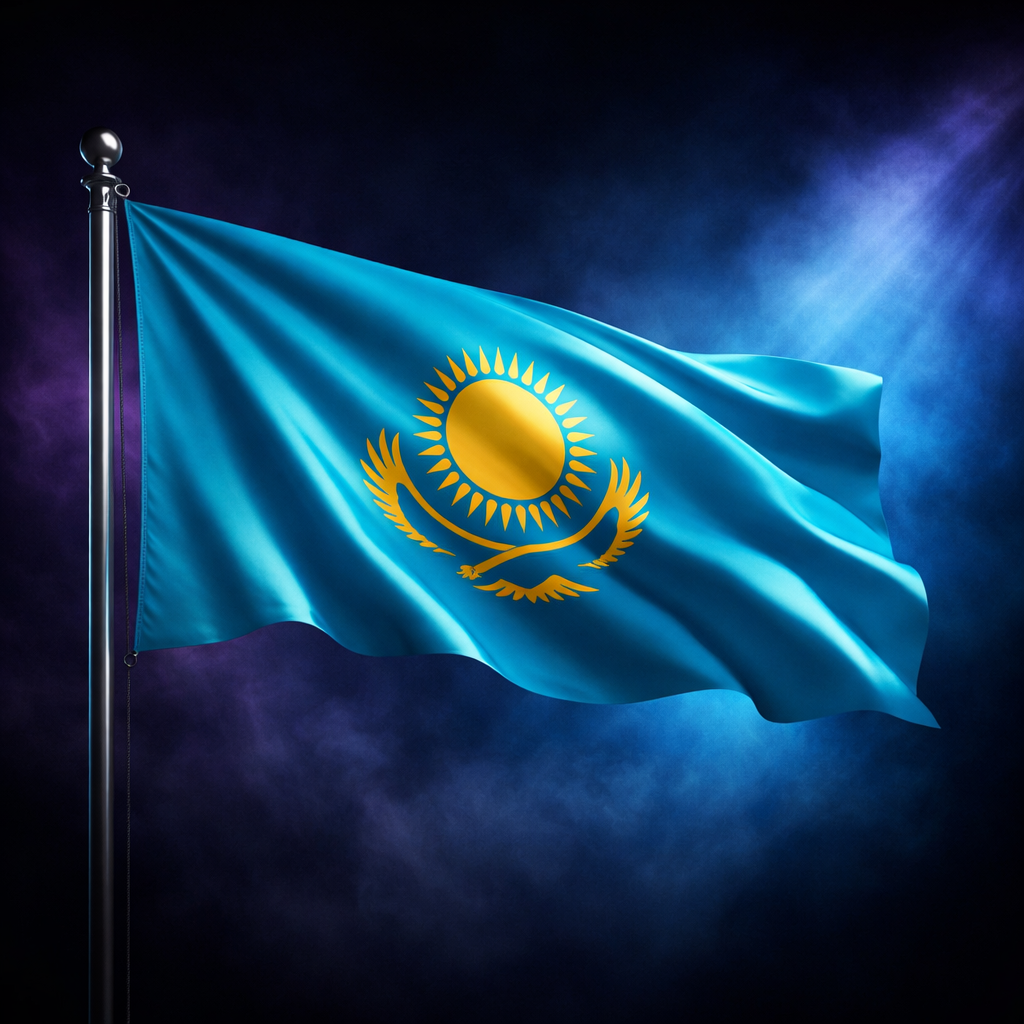
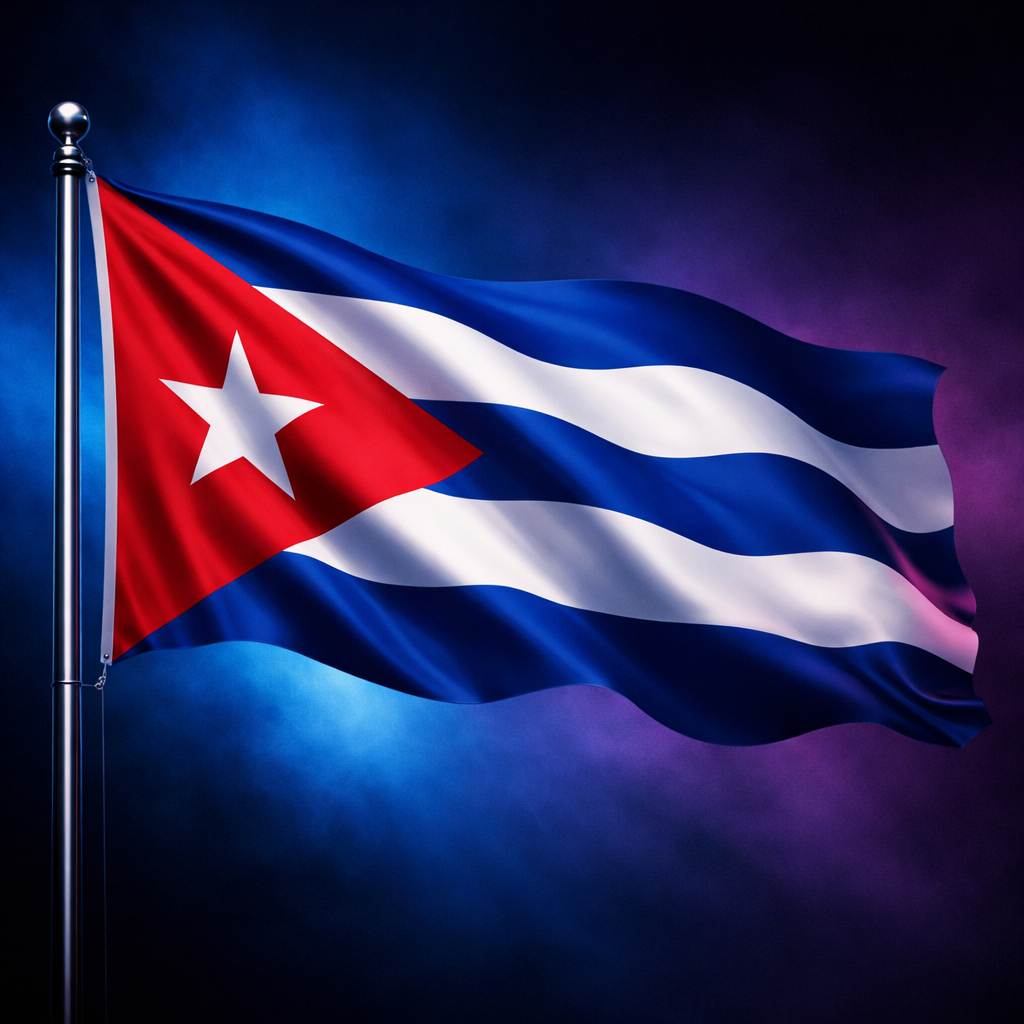
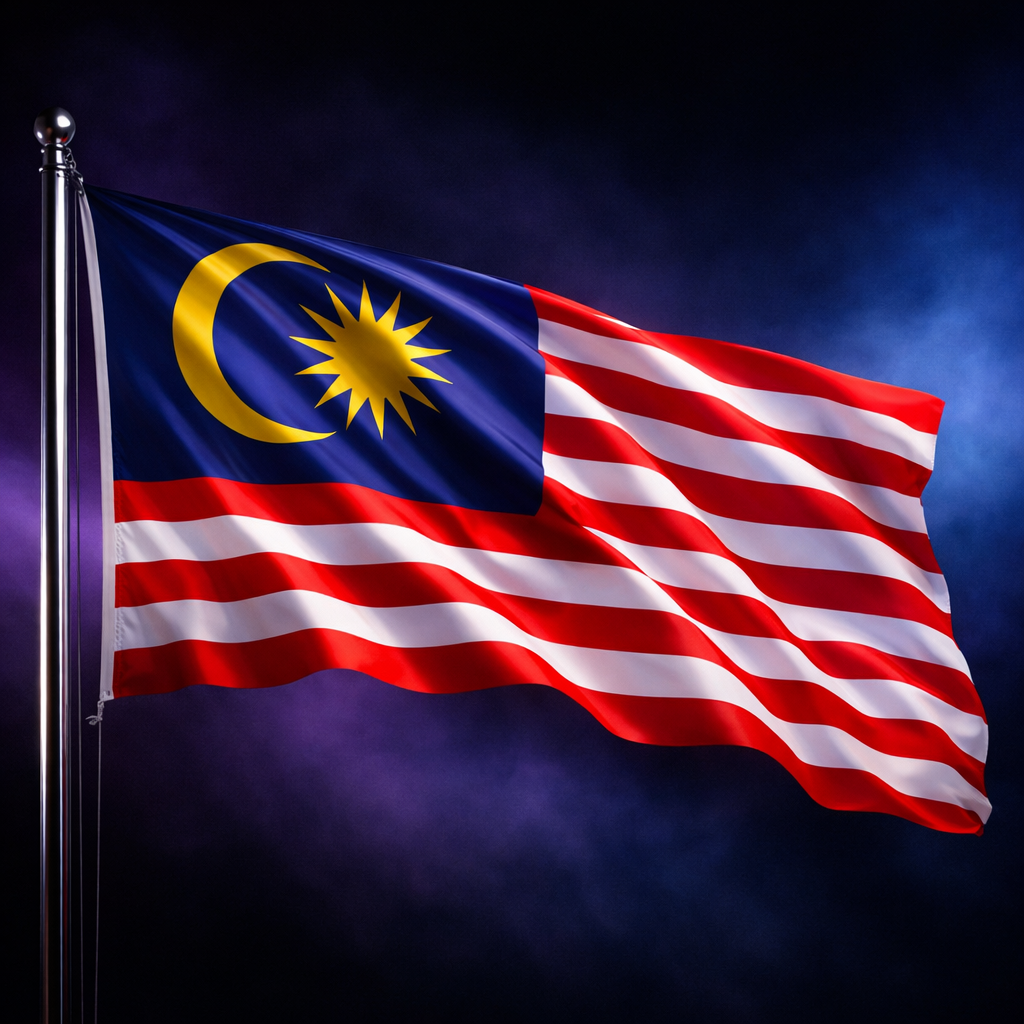
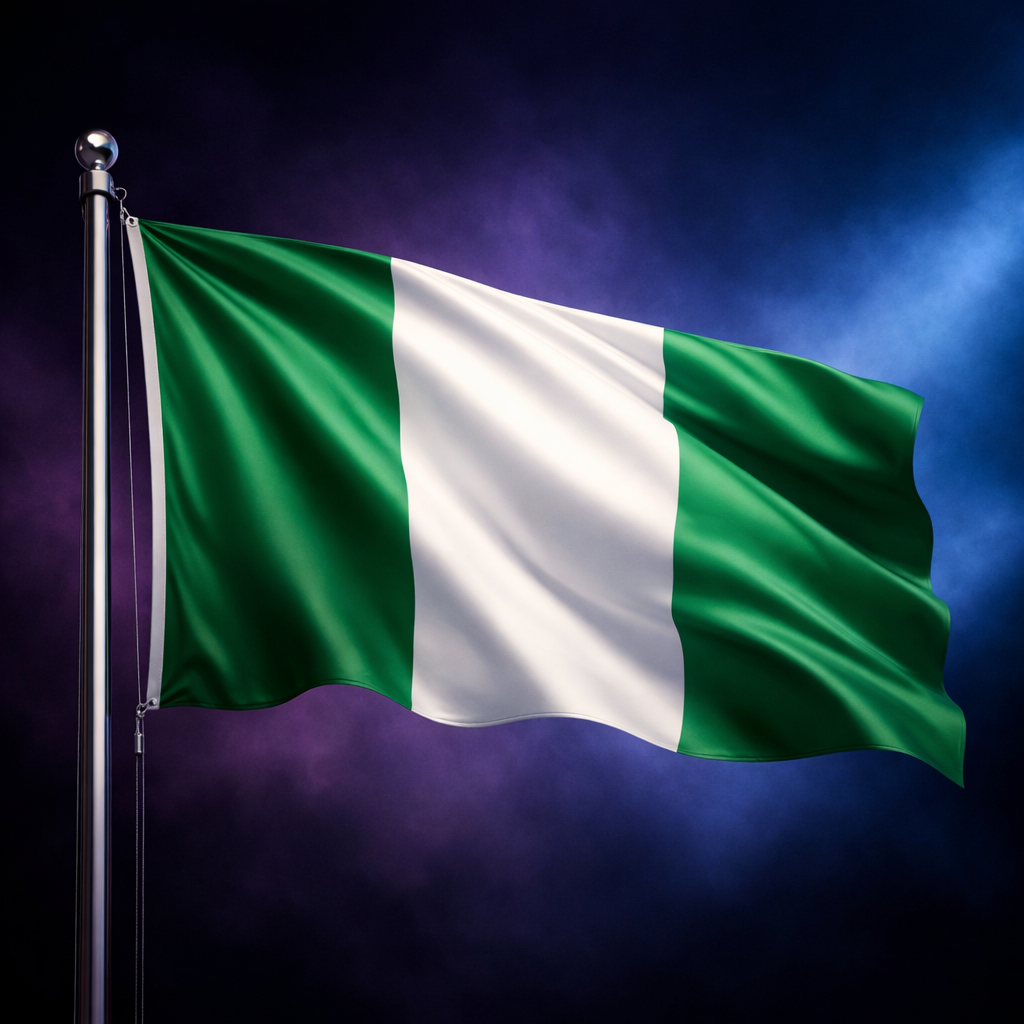
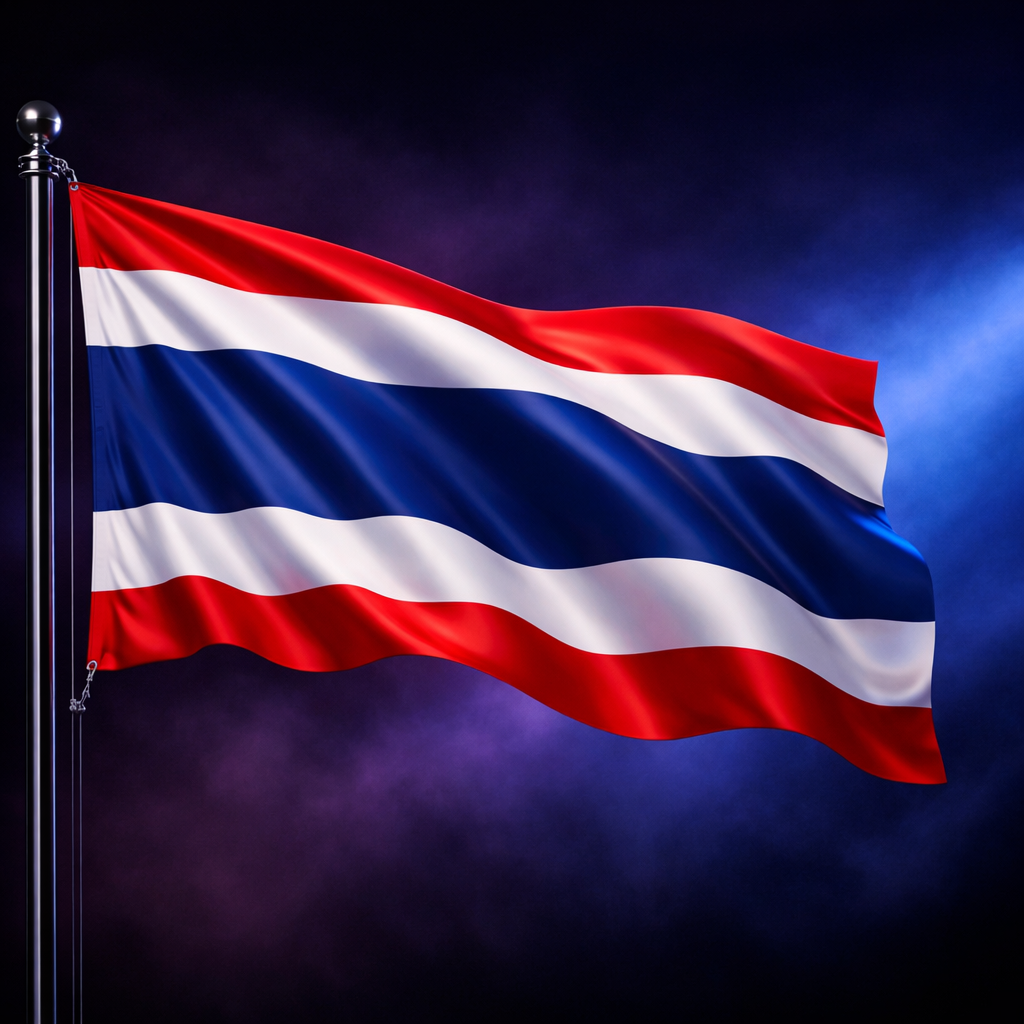
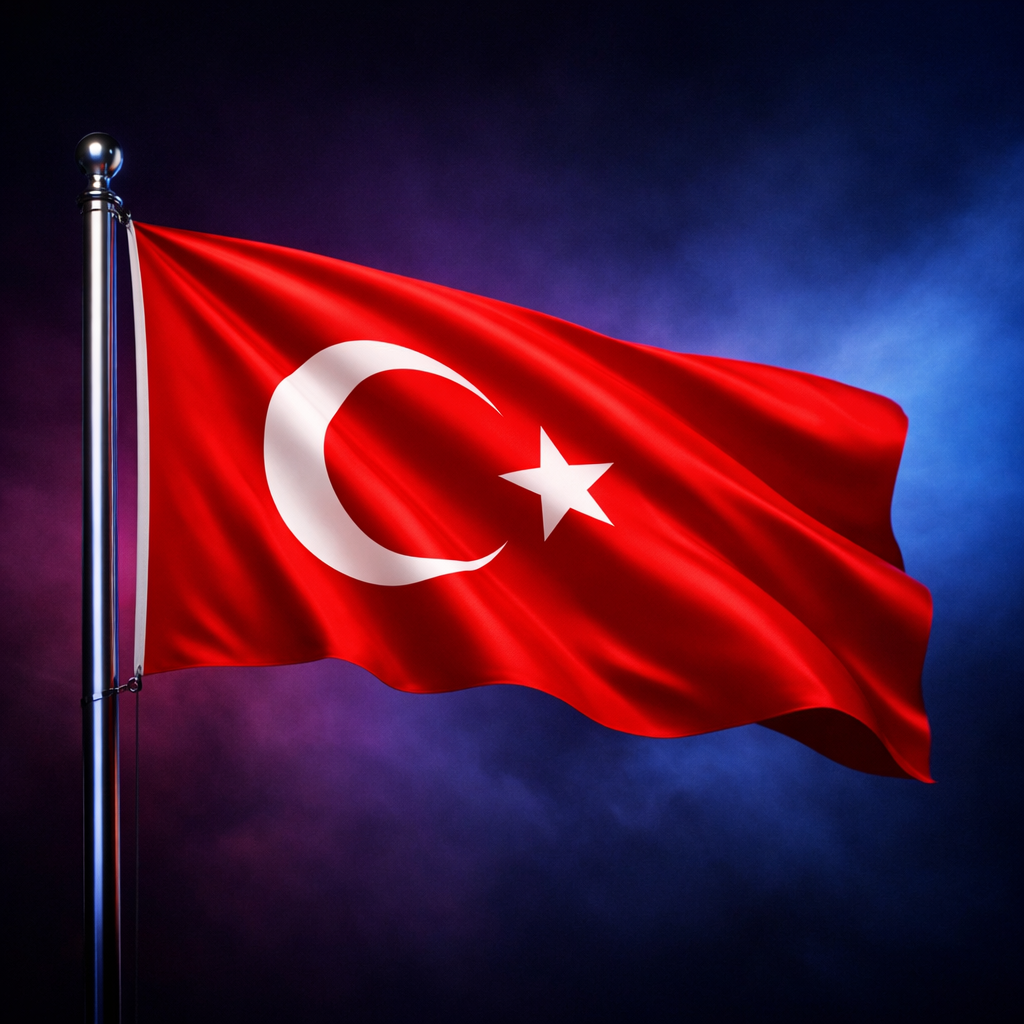
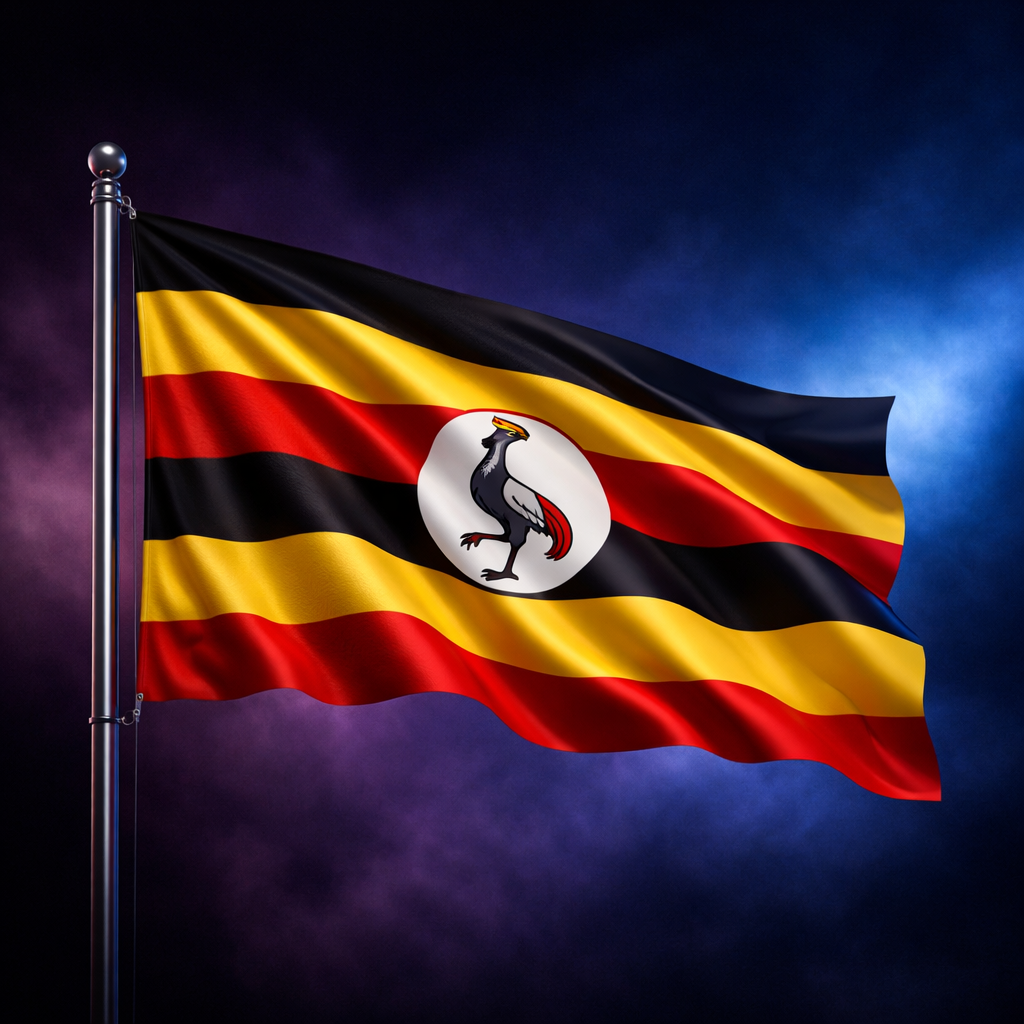
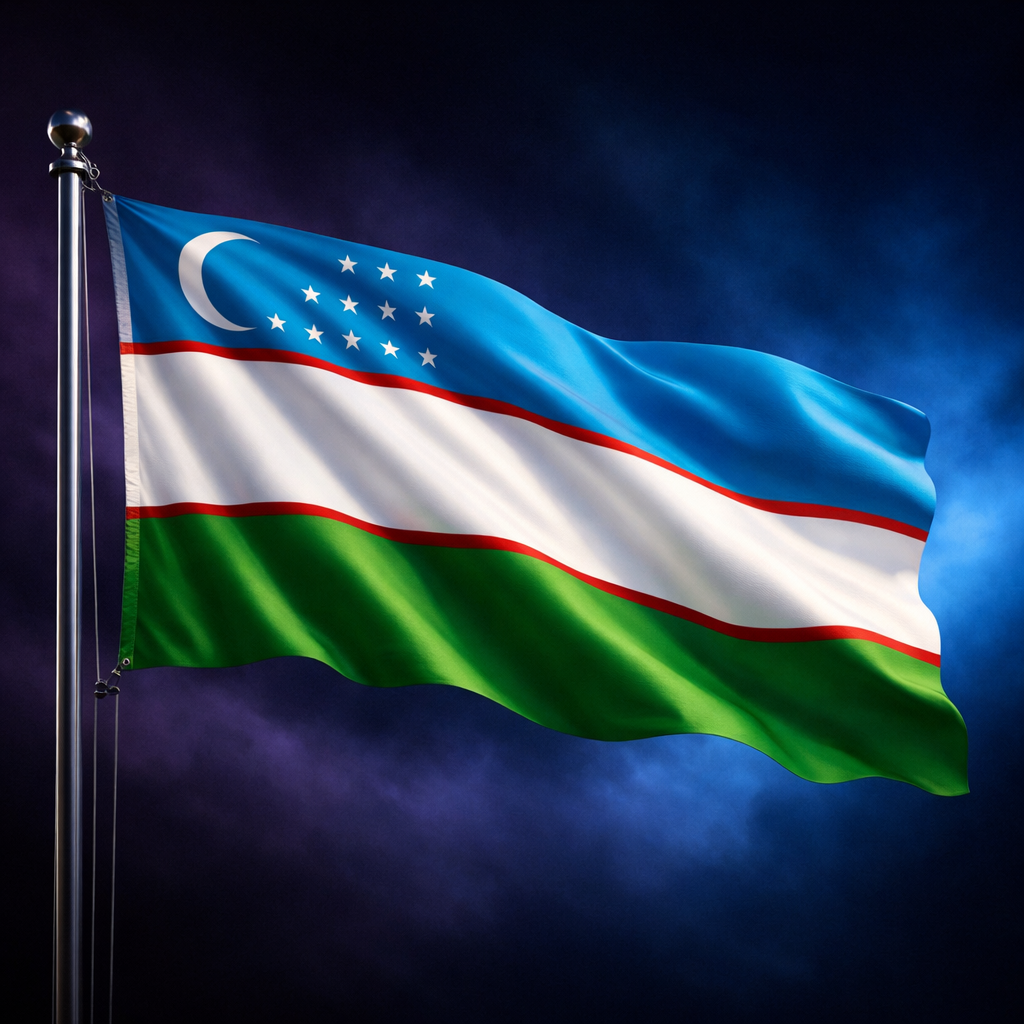
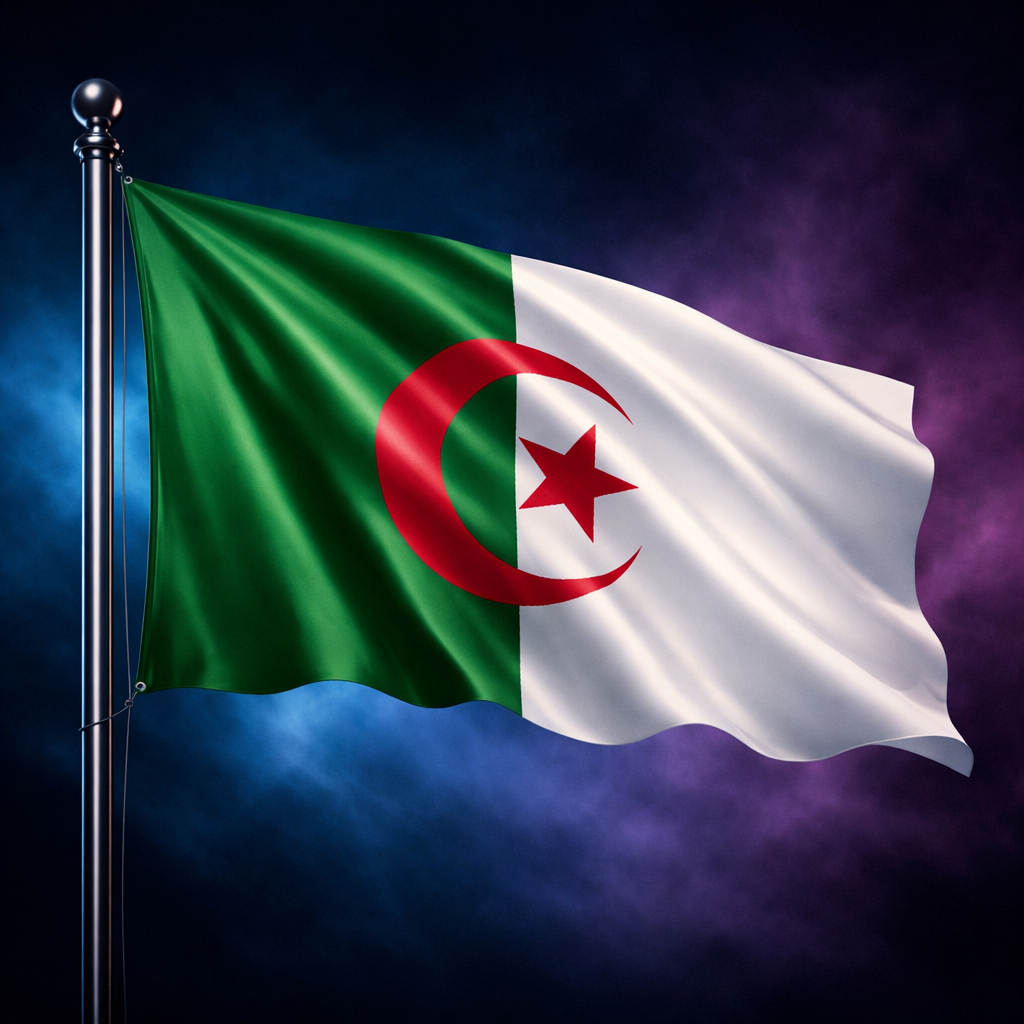
BRICS+ Partner Countries (from 2025)
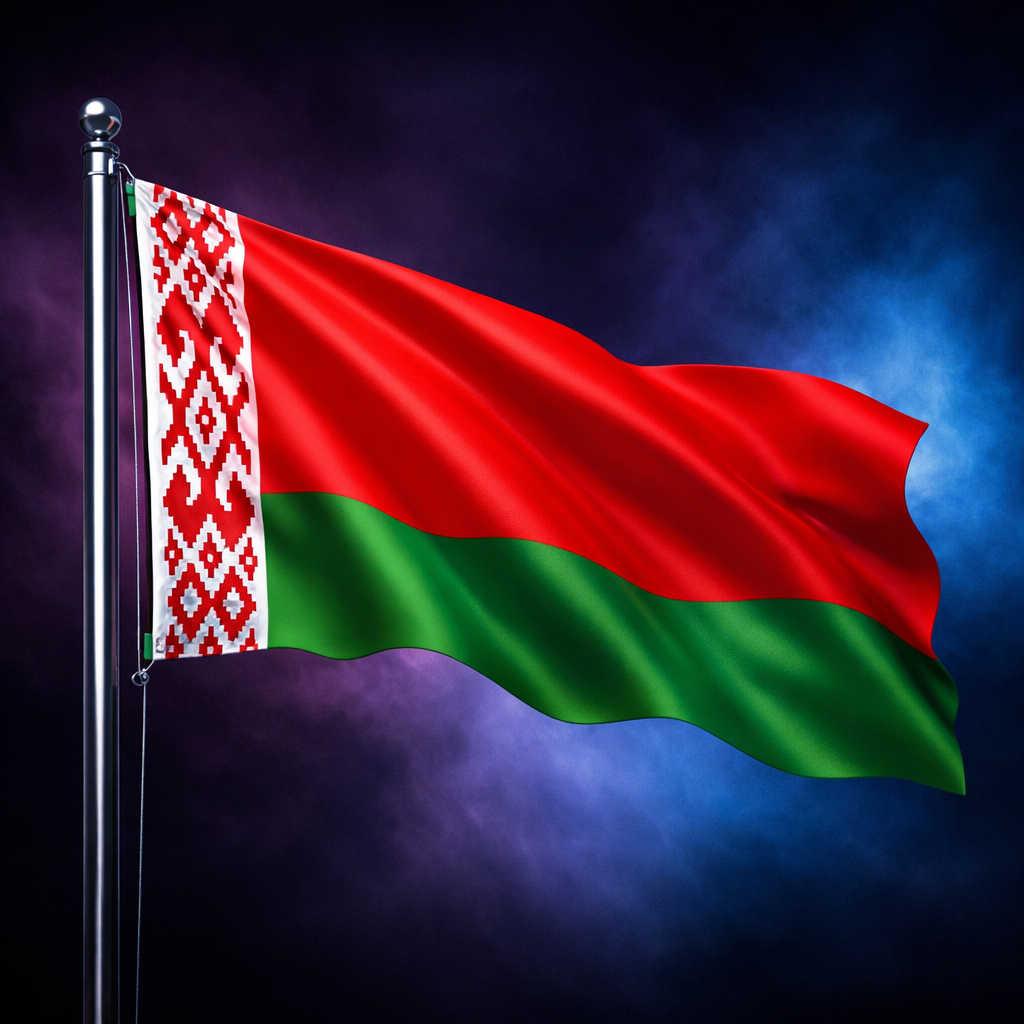
At the Kazan Summit (October 2024) a new partner country category was introduced. As of January 2025, 12 states have confirmed partner status:
Key Institutions
- NDB — New Development Bank (Shanghai). Funds infrastructure projects in member states
- CRA — Contingent Reserve Arrangement. Mutual financial support worth $100 bn
- BRICS Summits — held annually in the rotating chair country
Expansion Timeline
- 2006Founded as BRIC (Brazil, Russia, India, China)
- 2009First official summit in Yekaterinburg
- 2011South Africa joins — renamed BRICS
- 2017BRICS+ format launched (China chairmanship)
- 2024+4 states: Iran, Egypt, Ethiopia, UAE
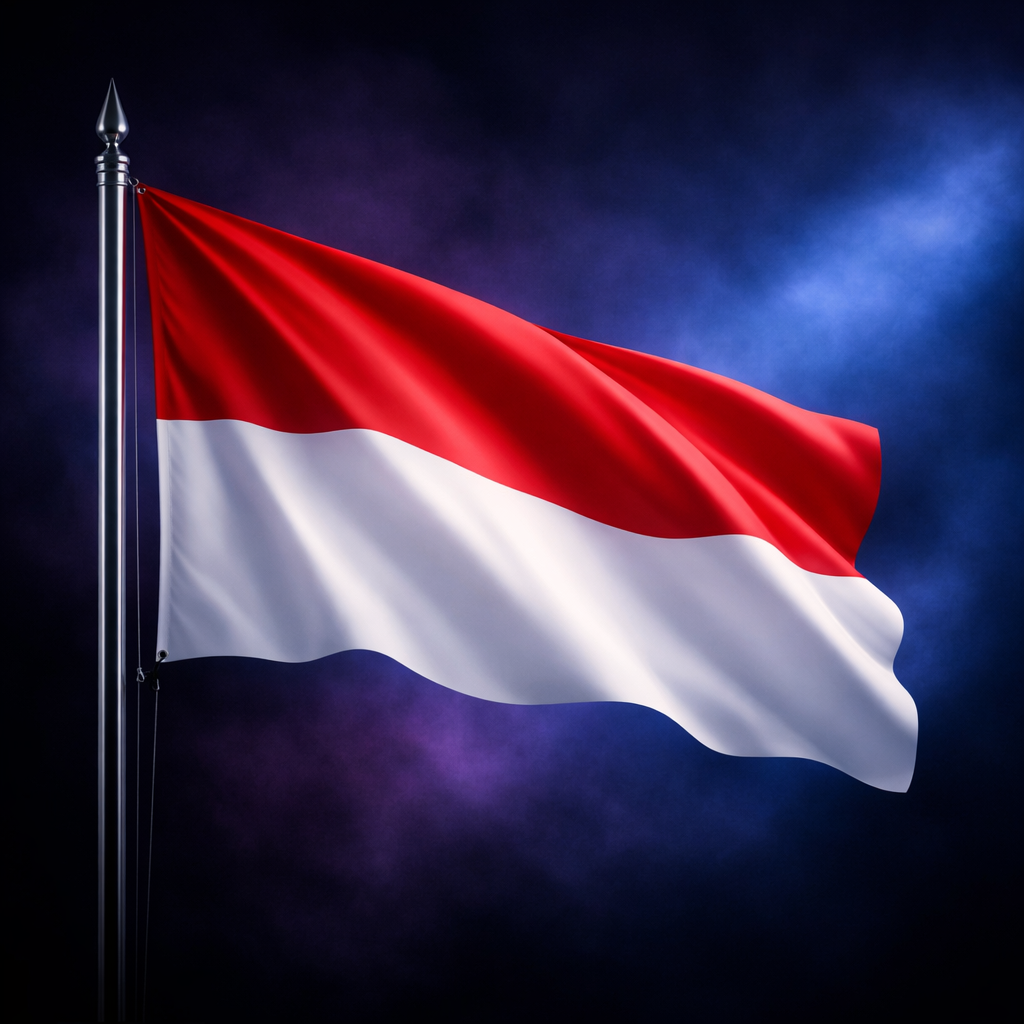
- 2025+1: Indonesia. 12 partner states confirmed
BRICS Role in Global Trade
BRICS nations collectively cover ~30% of land area, 45% of global population and ~40% of world GDP at PPP. The bloc promotes settlements in national currencies, New Silk Road development and SWIFT alternatives. The New Silk Road BRICS+ platform digitalises trade and logistics infrastructure between member states.